Complete Guide to Proper Dumpster Loading
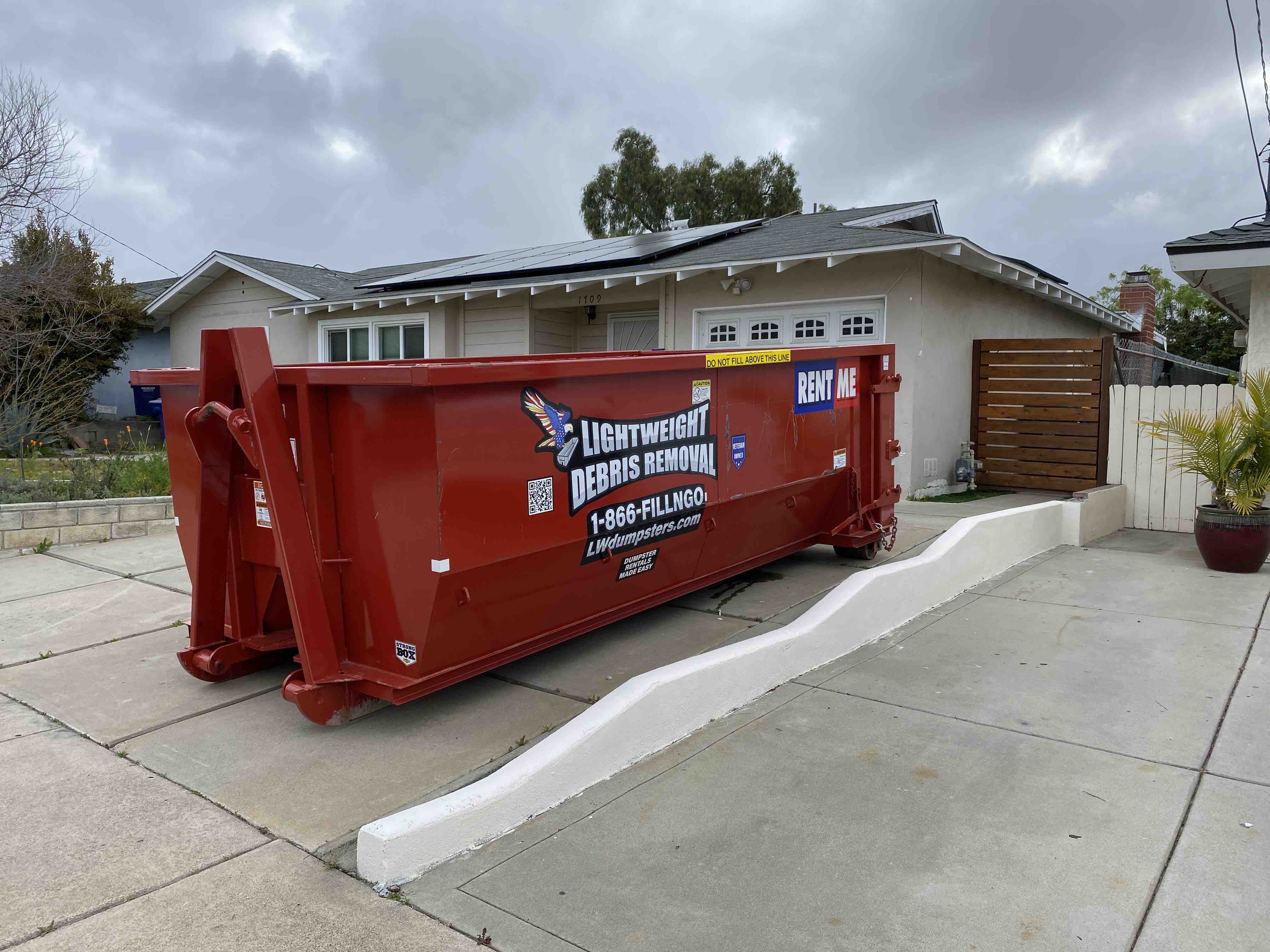
Whether tackling a renovation, cleanup, or building project, it may seem that loading a dumpster is straightforward. But the way items are positioned affects how efficiently you use space, how safely you work, and how quickly you finish. A lot of individuals underestimate how crucial proper loading techniques are, leading to wasted space, risks, and slower progress.
At Lightweight Debris Removal, we emphasize that proper dumpster loading is just as vital as choosing the right container size. By staying organized, you can make the most of your dumpster and keep operations safe and smooth. We strive to help every customer make the best use of their dumpster service by teaching proper loading techniques that reduce mess, prevent breakage, and simplify disposal.
Planning Before You Start Loading
Before placing any waste into the dumpster, proper preparation is key. Assess your waste materials to determine what can be recycled or requires specific disposal. This preparation helps streamline the process and saves read more time from having to rearrange materials later. Separating risky materials improves safety and prevents potential accidents.
Planning how items will be loaded is another critical step. Start by positioning large, heavy pieces at the bottom for balance. Then add lighter or smaller debris to fill remaining gaps. Smart preparation reduces the risk of load shifting or tipping during pickup. Strategic organization leads to safer, faster, and more effective loading results.
Smart Space Management for Dumpster Loading
Proper space utilization can make a major difference in how much waste fits. Break down bulky items such as furniture or large appliances before placing them inside. By flattening cardboard, detaching parts, and compacting items, you free up extra room. Doing so enables more debris to fit while keeping the load balanced and organized.
Layering materials is another useful trick for maximizing capacity. Use sturdy flat pieces as a bottom layer. Add lighter debris in between to fill open spaces. Do not overfill or stack above the container rim to prevent hazards. Layering effectively ensures a neater, safer, and more productive loading experience.
Safety Best Practices for Dumpster Loading
Keeping safety in mind throughout the loading process is vital. Wearing gloves, strong shoes, and protective gear helps prevent cuts and injuries. Before you start, ensure the area is free from obstacles or tripping hazards. Being aware of your surroundings supports a safer environment for everyone involved.
Do not hurl or drop debris from afar into the container, as it can cause unpredictable movement or potential damage. Handle items with care and arrange them thoughtfully. If something is heavy or large, ask for assistance rather than risk injury. By practicing caution, you maintain both productivity and protection on-site.
Efficiently Sorting and Arranging Materials
Sorting your waste both before and during loading is a simple yet powerful way to stay organized. Group similar items like metal, wood, or household waste together. This method improves the workflow and eases both the loading and dumping process. You’ll also easily spot recyclable materials, reducing waste and encouraging sustainable habits.
Proper organization eliminates the hassle of moving things around later. Position lighter, flexible materials toward the top layer and heavy ones beneath. This method prevents wind from scattering light materials and keeps the dumpster balanced. Being organized saves time and creates a smoother, more professional workflow from start to finish.
Safeguarding Surfaces When Using a Dumpster
Dumpsters are durable, but the property underneath may need protection. Placing wooden planks or similar barriers underneath distributes weight and prevents surface damage. This easy precaution helps maintain the integrity of your property during the project.
Placement also plays a crucial role in preventing property damage. Select a flat, accessible space that allows for smooth loading and avoids blocking driveways or walkways. Do not place it near fragile features like fences or shrubs to prevent accidental harm. Thoughtful setup ensures a smooth experience and minimizes potential property risks.
Boosting Productivity on Large-Scale Cleanups
Big projects tend to generate constant debris that needs proper management. Set up a designated area to collect and organize debris before dumping it in. Doing this ensures the container fills evenly and prevents the need for re-sorting.
Encouraging teamwork and good communication boosts workflow efficiency. Divide responsibilities among your team to maintain consistent progress. When everyone knows their tasks, the process runs faster and stays organized. Proper organization ensures large-scale tasks are finished smoothly and on time.
What You Should Avoid Loading Into a Dumpster
Certain items aren’t permitted in regular dumpsters, making awareness essential. Hazardous chemicals, paints, and specific electronics must be disposed of through proper channels. Placing these inside a dumpster may cause environmental harm or disposal complications. Always confirm what’s allowed before starting to load your dumpster.
Do not overfill or overload the dumpster to maintain safety. Overweight dumpsters can be unsafe and cause additional service fees. By following proper load limits, you support responsible waste management. Being mindful of what and how much you load ensures smooth pickup and transport.
Choosing a Dependable Dumpster Rental Partner
Having a reliable dumpster rental company by your side streamlines the job significantly. Lightweight Debris Removal delivers dependable and professional dumpster solutions to simplify cleanup for any project. Our team assists from delivery through pickup, offering consistent, timely, and hassle-free support.
Opting for a company that values service quality improves every project step. Prompt support, transparency, and reliability help maintain project flow. Lightweight Debris Removal is devoted to helping clients achieve organized, secure, and efficient results through expert guidance and responsible use.
Building a Well-Structured and Productive Work Area
Efficient dumpster loading directly impacts overall project productivity. A clean, well-kept work area enables smooth task flow and better teamwork. Using effective organization turns cleanup into a natural step in the process.
Lightweight Debris Removal inspires users to view dumpster loading as an opportunity for improvement. It’s a chance to boost safety, save time, and protect your surroundings. With proper organization, attention to detail, and dependable support, efficient loading becomes key to project success.